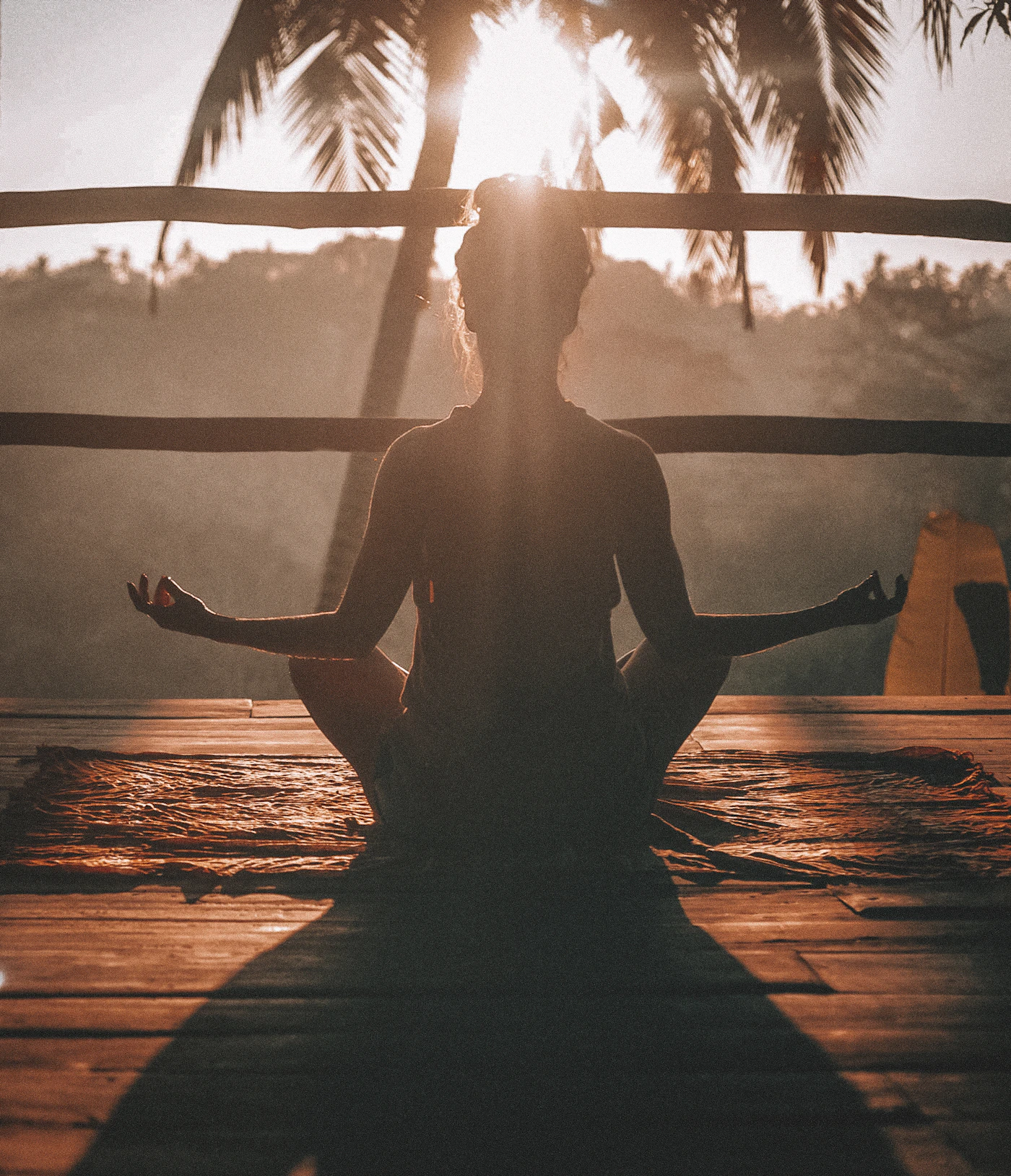
What changes in the body after 40 — and what still fits into an ordinary day.
A calm reading on energy, circulation, rest and living together. No miracles, no endless list of rules.
There is an age when the body stops answering at the same pace. Sleep gets lighter. Recovery takes longer. Part of it is biology. Part of it is accumulated habit.
This piece does not promise to give back your twenties. It talks about what can still be adjusted calmly.
What the body asks for after 40
Metabolism tends to slow, and the cardiovascular system answers consistency better than rare, intense effort.
Vitality, here, is not performance. It is reaching the end of the day with some reserve.
Anyone looking for quick fixes finds noise. The pattern that holds is a few gestures, repeated.
Circulation, energy and the myth of endless fatigue
Some of the low energy after 40 mixes irregular sleep, dehydration and long hours sitting.
If the body spends the day seated and the night under blue light, the brain receives a continuous-alert signal.
Water on waking. Ten minutes of daylight before the phone. A short walk after the main meal.
Living together also feels the fatigue
When energy drops, patience drops with it. That is not a character flaw. It is a body asking for recovery.
A dinner without screens, a weekend walk, an hour when work stays in another room.
What is not worth romanticising
Persistent pain, shortness of breath or fatigue that does not ease with rest deserve a consultation.
Pick one axis — sleep, walking or a screen-free meal — and watch two weeks.
A note on the tone of this site
Wellbeing exists to write about habits that fit real life. The homepage is an essay, not a catalogue.
Less noise, more practice, and respect for the pace of someone who is no longer twenty.